The most artistic neighbourhoods in Madrid and what to see in each
Malasaña, Lavapiés, Las Letras, Chueca, Salamanca and Matadero: where to soak up art in Madrid beyond the big museums and how to explore each neighbourhood.
Published on 3 January 2024 Updated on 1 November 2026 8 min read
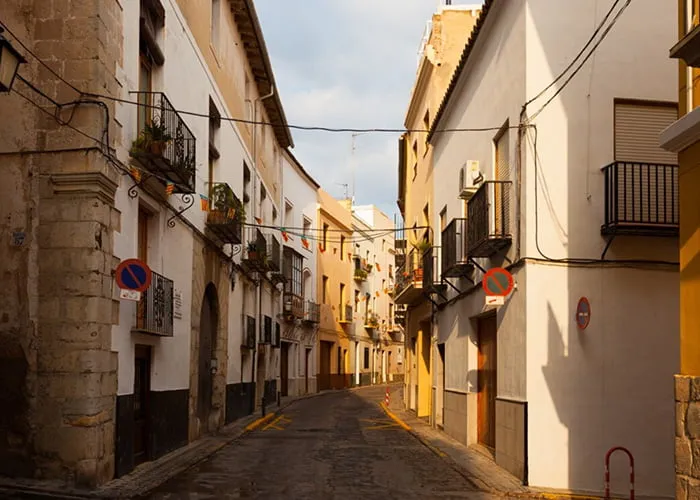
The most artistic neighbourhoods in Madrid are Malasaña, Lavapiés, the Barrio de las Letras, Chueca, the Salamanca district and the area around Matadero, in Arganzuela. Each offers a different kind of art: murals and alternative culture in Malasaña, creative centres and galleries in Lavapiés, literature and theatre in Las Letras, design in Chueca, galleries and private foundations in Salamanca, and contemporary art in a former industrial building at Matadero. They are all inside the M-30, so you can combine them on foot, by metro or by taxi in a single outing.
| Neighbourhood | Kind of art | Ideal for |
|---|---|---|
| Malasaña | Street art, Movida culture, the Conde Duque cultural centre | Wandering aimlessly, photography, vintage shops |
| Lavapiés | Tabacalera, La Casa Encendida, galleries near the Reina Sofía | Contemporary art and a multicultural atmosphere |
| Barrio de las Letras | Literature, theatre, writers' houses | Lovers of history and the Spanish Golden Age |
| Chueca | Design, small galleries, modernista architecture | Discerning shopping and an open atmosphere |
| Salamanca | Art galleries, foundations and private museums | Classical and modern art in quiet galleries |
| Arganzuela (Matadero) | Contemporary creation, cinema, performing arts | An afternoon out next to Madrid Río |
Malasaña: street art and the spirit of the Movida
Malasaña takes its name from Manuela Malasaña, one of the local residents who died in the uprising against French troops on 2 May 1808. That episode is commemorated in the Plaza del Dos de Mayo, where the arch of the old Monteleón artillery barracks and the monument to Daoíz and Velarde still stand. Today it is the neighbourhood's meeting point, surrounded by terraces.
In the eighties, Malasaña was one of the main settings of the Movida madrileña (Madrid's post-Franco countercultural scene), and some of that creative energy lives on in its streets: shop shutters painted by illustrators, murals on side walls, concert posters and small galleries that change exhibitions often. If street art is what interests you most, we go into more detail in our guide to street art in Madrid.
What not to miss in Malasaña
- Centro Cultural Conde Duque: a former barracks turned into a venue for exhibitions, concerts and performing arts.
- Museo de Historia de Madrid (Madrid History Museum), on calle Fuencarral, with one of the most photographed Baroque doorways in the city.
- Calle del Espíritu Santo, calle San Vicente Ferrer and Corredera Alta de San Pablo, with workshops, design shops and old-school cafés.
If you are staying in the area, the taxi in Malasaña page explains how pickups work in the neighbourhood for getting to or from Barajas.
Lavapiés: creative centres and a mix of cultures
Lavapiés is probably the most diverse neighbourhood in Madrid and one with the most artistic activity per square metre. Its sloping streets bring together shops from half the world, traditional taverns and cultural spaces that act as a laboratory for young artists.
- Tabacalera: the old tobacco factory on the glorieta de Embajadores. One part hosts photography and contemporary art exhibitions, and another works as a self-managed community centre with walls painted by street artists.
- La Casa Encendida, on Ronda de Valencia: exhibitions, cinema, music and a very popular terrace.
- The galleries on calle del Doctor Fourquet, a few steps from the Museo Reina Sofía, one of the best-known clusters of contemporary art galleries in the city.
- Teatro Valle-Inclán, on the plaza de Lavapiés, home of the Centro Dramático Nacional (the national drama centre).
Lavapiés is part of the administrative district of Embajadores; if you are flying in and staying here, you will find practical information on the taxi in Embajadores page.
Barrio de las Letras: the Madrid of Cervantes and Lope de Vega
Between the Puerta del Sol and the Paseo del Prado lies the Barrio de las Letras (the literary quarter), also known as Huertas. Cervantes, Lope de Vega, Quevedo and Góngora lived here, and the neighbourhood remembers them on every corner: on calle de las Huertas there are passages from literary works set into the pavement, and the plaque on the house where each writer lived is part of the walk.
- Casa Museo Lope de Vega, on calle Cervantes, the playwright's home recreated with its garden.
- Convento de las Trinitarias, where Miguel de Cervantes is buried.
- Plaza de Santa Ana and Teatro Español, one of the city's most historic theatres.
Heading down towards the Paseo del Prado brings you straight to the great museums. If you want to devote the day to them, we explain how to organise a visit to the Paseo del Arte between the Prado, the Thyssen and the Reina Sofía.
Chueca and Salamanca: design, galleries and foundations
Chueca
Chueca is known for its open, inclusive atmosphere and as the heart of Madrid Pride, but it is also a design neighbourhood. Its streets are home to interior design studios, designer fashion shops and small galleries. Worth a stop are the Palacio de Longoria, on calle Fernando VI, one of the most unusual modernista buildings in Madrid, and the Museo del Romanticismo (Museum of Romanticism), on calle San Mateo, which recreates a 19th-century bourgeois home. For those staying in the neighbourhood, the radio taxi in Chueca page sums up how to get to or from the airport.
Salamanca district
The Salamanca district is usually associated with luxury shopping, but its streets hold one of the city's largest concentrations of art galleries. Add to that first-rate institutions: the Fundación Juan March, on calle Castelló, with modern art exhibitions; the Museo Lázaro Galdiano, on calle Serrano, a private collection in a small palace; and the Museo de Escultura al Aire Libre de La Castellana (open-air sculpture museum), with works by great Spanish sculptors under a flyover. Taxi in the Salamanca district has its own page with pickup details.
Matadero and Madrid Río: contemporary art in the south
In the Arganzuela district, next to the glorieta de Legazpi, the old municipal slaughterhouse has become Matadero Madrid, a centre for contemporary creation with buildings devoted to exhibitions, cinema, theatre, design and workshops. It combines very well with a walk along Madrid Río, the park that runs along the banks of the Manzanares. If you are looking for other spots with fewer tourists, our article on lesser-known Madrid neighbourhoods has more ideas.
A day exploring Madrid's artistic neighbourhoods
-
1
Morning in Las Letras and the Paseo del Prado
Start with the streets of Huertas and the Casa Museo Lope de Vega, and pick one of the great museums on the Paseo del Prado for the rest of the morning.
-
2
Midday in Lavapiés
Walk up from Atocha to Lavapiés, have lunch in one of its restaurants and visit the galleries on Doctor Fourquet or Tabacalera.
-
3
Afternoon in Malasaña and Chueca
Cross the centre heading north: murals and shops in Malasaña, design in Chueca and a terrace on the Plaza del Dos de Mayo to round off the day.
-
4
Sunday alternative
On Sunday morning, combine the Rastro, between La Latina and Embajadores, with Matadero and a walk along Madrid Río.
How to get to the artistic neighbourhoods from the airport
If you land at Barajas and want to start exploring as soon as possible, a taxi drops you at the door of your accommodation or directly in the neighbourhood you are going to visit. All the neighbourhoods in this guide are inside the M-30, so the Inside M-30 fare applies: a fixed €33 from any terminal, luggage included and regardless of traffic or time of day. The return trip to the terminal costs the same.
Between one neighbourhood and the next, walking is usually the most practical option: Las Letras, Lavapiés, Chueca and Malasaña are relatively close to each other. For Salamanca or Matadero, the metro or a taxi hailed in the street saves you the longer distances.
Arriving in Madrid and keen to see some art?
Book your taxi from Barajas to Malasaña, Lavapiés, Chueca or any central neighbourhood for a fixed €33 and start exploring as soon as you have dropped off your suitcase.
Fixed fares
Airport taxi from your area
- Interior M-30 €33
- Torrejón de Ardoz €30
- Alcobendas €33
- San Sebastián de los Reyes Pueblo €33
- Alcalá de Henares €53
- Getafe €53
- Leganés €53
- Majadahonda €53
- Las Rozas de Madrid €58
- Móstoles €63
- Alcorcón €63
- Fuenlabrada €63
Need a taxi to the airport?
Instant fixed price. No sign-up.
- Journey
- When
- Your details
We can't find it on the list.
Call or message us and we'll give you a price straight away.
Terminal · Madrid-Barajas
Your fixed price
Passengers
Suitcases
Your fixed price
Booking received!
We'll confirm your booking by phone shortly. If it's for less than 2 hours from now, please call us directly.
Reference
Your fixed price