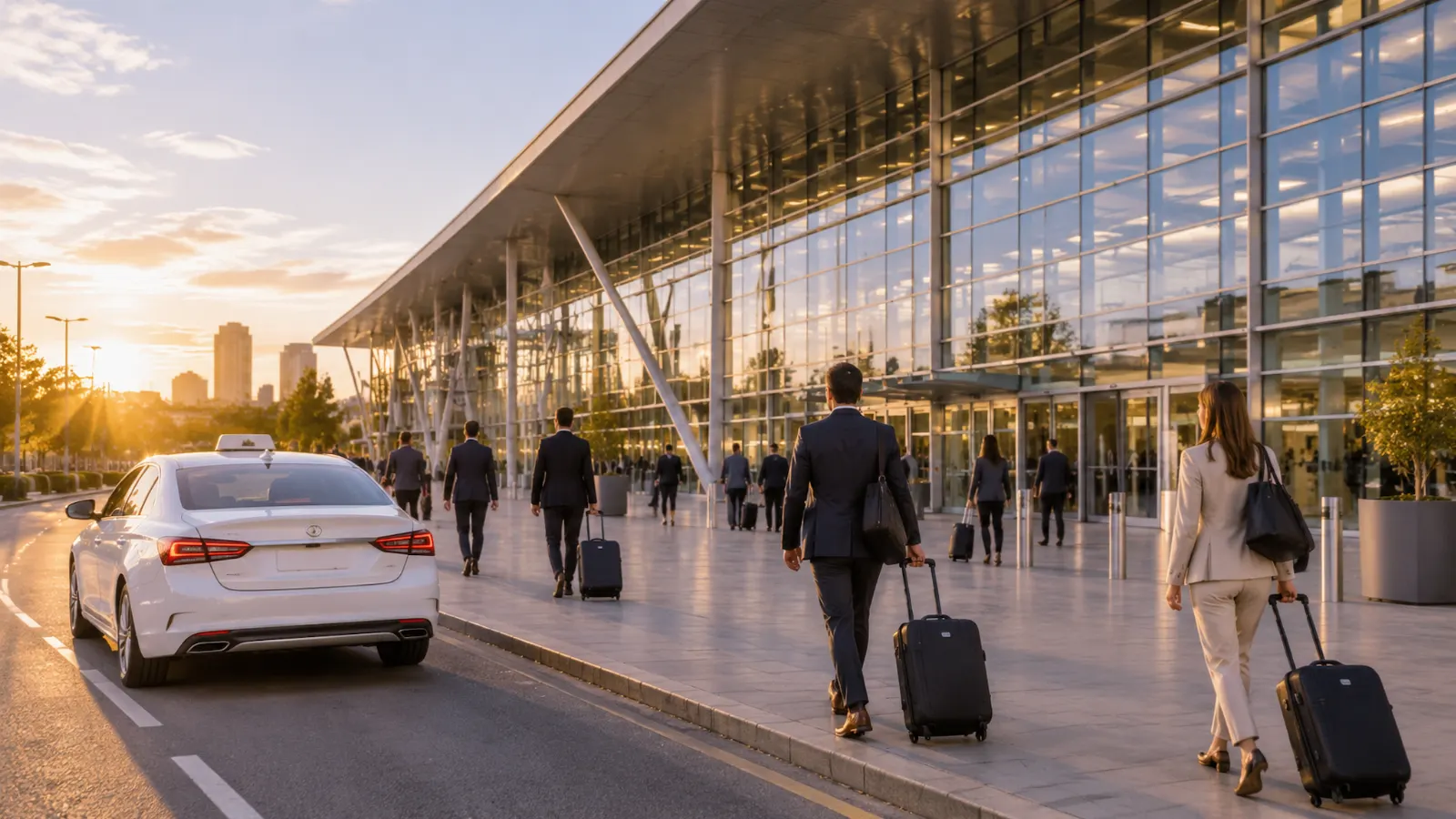
The history of the taxi and the taximeter: how a meter changed the trade
From haggled prices to fixed prices: how the taximeter transformed the taxi service, from horse-drawn cabs to booking on WhatsApp.
Published on 30 March 2016 Updated on 1 November 2026 5 min read
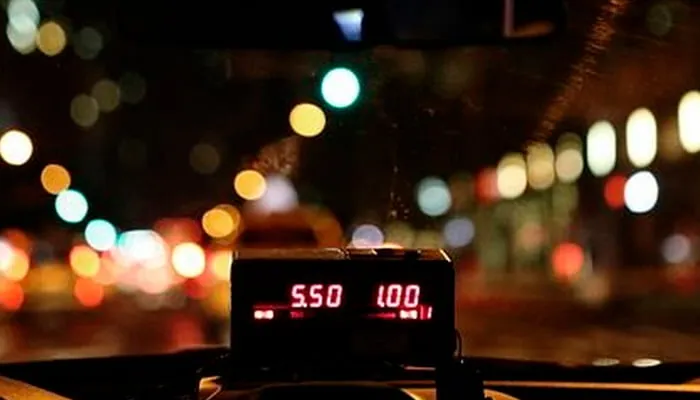
The history of the taxi and the taximeter has been intertwined since the end of the 19th century: the meter, invented by Wilhelm Bruhn in 1891, gave the service its name and changed the way it worked. Before it, the price of a hire carriage was agreed or argued over; with it came public fares, passenger trust and the municipal regulation that still defines the taxi today. The latest chapter of that history is the fixed price, which travellers know before they even get in.
This is not a run-through of dates, but of how each change in the way fares were charged transformed the trade.
Before the taximeter: the price was negotiated
Horse-drawn hire carriages had been running through big cities for centuries when the taximeter appeared. In Madrid they were known as coches de punto, because they waited for customers at fixed points in the city, a direct forerunner of today's taxi ranks.
The problem was the price. There were municipal tables setting charges by the hour or by the journey, but checking whether the coachman stuck to them was almost impossible. Visitors from out of town were bound to lose out, and arguments on getting out of the carriage were part of the urban scene.
The meter that gave the service its name
The taximeter settled that conflict with a simple idea: measuring the service with an impartial device, in full view of both parties. When motor cars replaced horses, the meter became their natural companion, and the word for it ended up shortened to “taxi”. How we got from the Roman odometer to the first mechanical meter is the subject of the origin of the taximeter.
The device also had a less visible but decisive effect: it made it possible to regulate the taxi. With an instrument that measures objectively, city councils could approve official fares, require them to be displayed and grant licences with clear obligations. That is still the basis of the system: the taxi is a public service with a regulated price, and the taximeter is the tool that guarantees it.
From the rank to the radio taxi
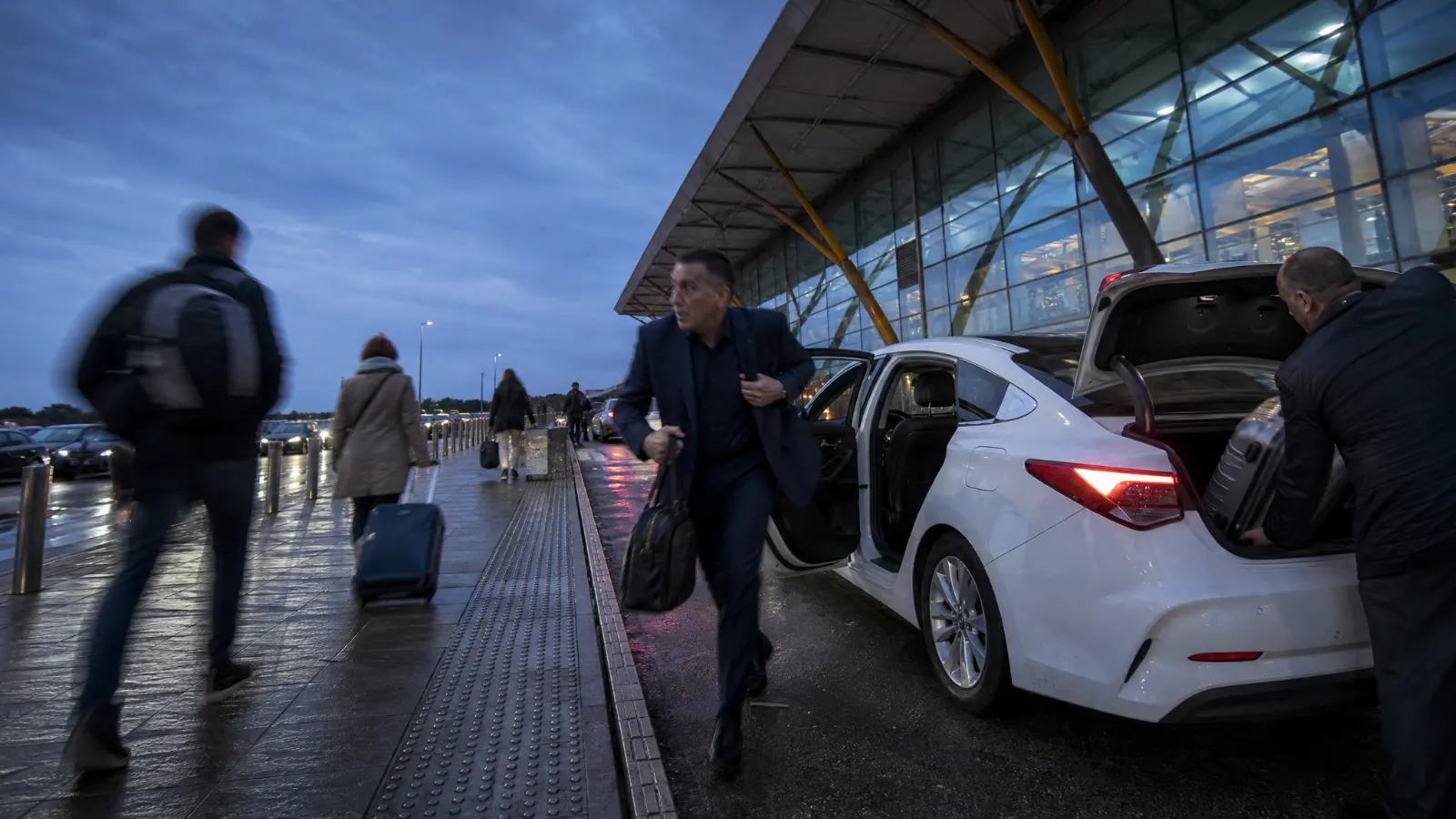
For decades, taking a taxi in Madrid meant going to a rank or raising your hand in the street. The arrival of radio dispatch in the second half of the 20th century changed the relationship: customers could phone and a dispatch centre sent the nearest free taxi. The taximeter still set the price, but the journey began earlier, with a phone call.
In those years the Madrid taxi also changed its look, switching from a black body to a white one with a red stripe; we tell the story in the colour of taxis in Madrid. And if you want the full story of the city, it is in the history of taxis in Madrid, from their origins to today.
| Stage | How the price was set | What the passenger gained |
|---|---|---|
| Horse-drawn hire carriages | Municipal tables that were hard to check, haggling | Little control over what they paid |
| Mechanical taximeter | Distance and time measured by the device | An objective, visible price |
| Electronic taximeter | Several programmed fares, supplements and a printed receipt | A receipt and clear fares by time of day |
| Flat fares and fixed prices | Amount known before the journey | No surprises from traffic or the route |
From the electronic device to the fixed price
With electronics, the taximeter gained memory for several fares, a receipt printer and a link to the card reader. That change is part of the gradual modernisation of the taxi, which continued with GPS, apps and card payment.
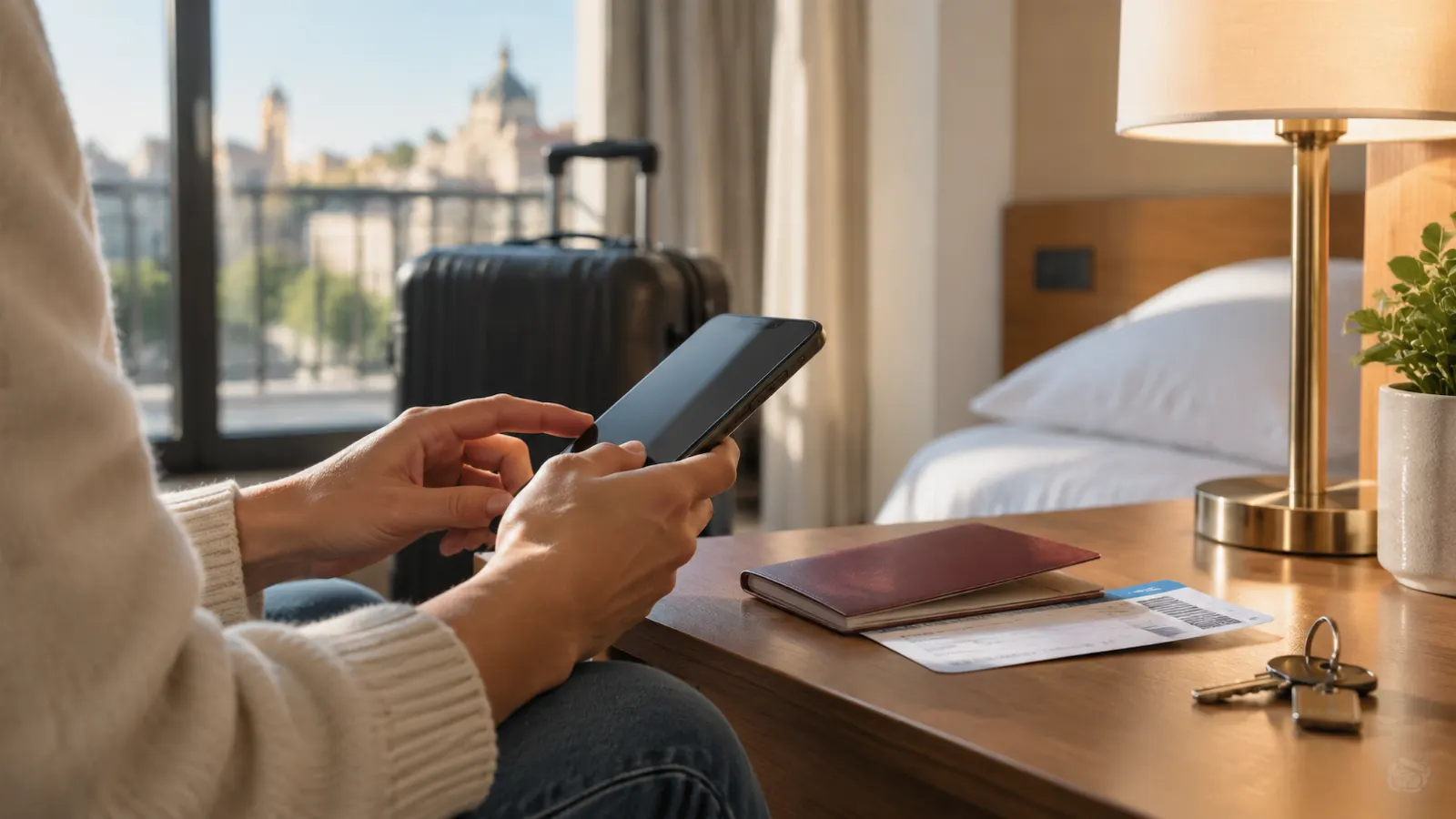
The most recent step reverses the age-old logic. Instead of finding out the price on arrival, more and more travellers want to know it before they set off. That is how flat fares on specific routes came about, such as the one between the airport and inside the M-30, along with the fixed prices of services booked in advance. On our transfers to Barajas every area has its published price, from €33 for inside the M-30, and you can look it up in our fares by area. And the call to the dispatch centre now has its mobile version: you can order a taxi on WhatsApp.
More than a century later, the taximeter is still in every taxi in Madrid. What has changed is that it is no longer the only way to know how much a journey costs.
The latest chapter: a fixed price to the airport
Book your taxi to Barajas and see the price for your area before you confirm, the same by day as by night.
Fixed fares
Airport taxi from your area
- Interior M-30 €33
- Torrejón de Ardoz €30
- Alcobendas €33
- San Sebastián de los Reyes Pueblo €33
- Alcalá de Henares €53
- Getafe €53
- Leganés €53
- Majadahonda €53
- Las Rozas de Madrid €58
- Móstoles €63
- Alcorcón €63
- Fuenlabrada €63
Need a taxi to the airport?
Instant fixed price. No sign-up.
- Journey
- When
- Your details
We can't find it on the list.
Call or message us and we'll give you a price straight away.
Terminal · Madrid-Barajas
Your fixed price
Passengers
Suitcases
Your fixed price
Booking received!
We'll confirm your booking by phone shortly. If it's for less than 2 hours from now, please call us directly.
Reference
Your fixed price