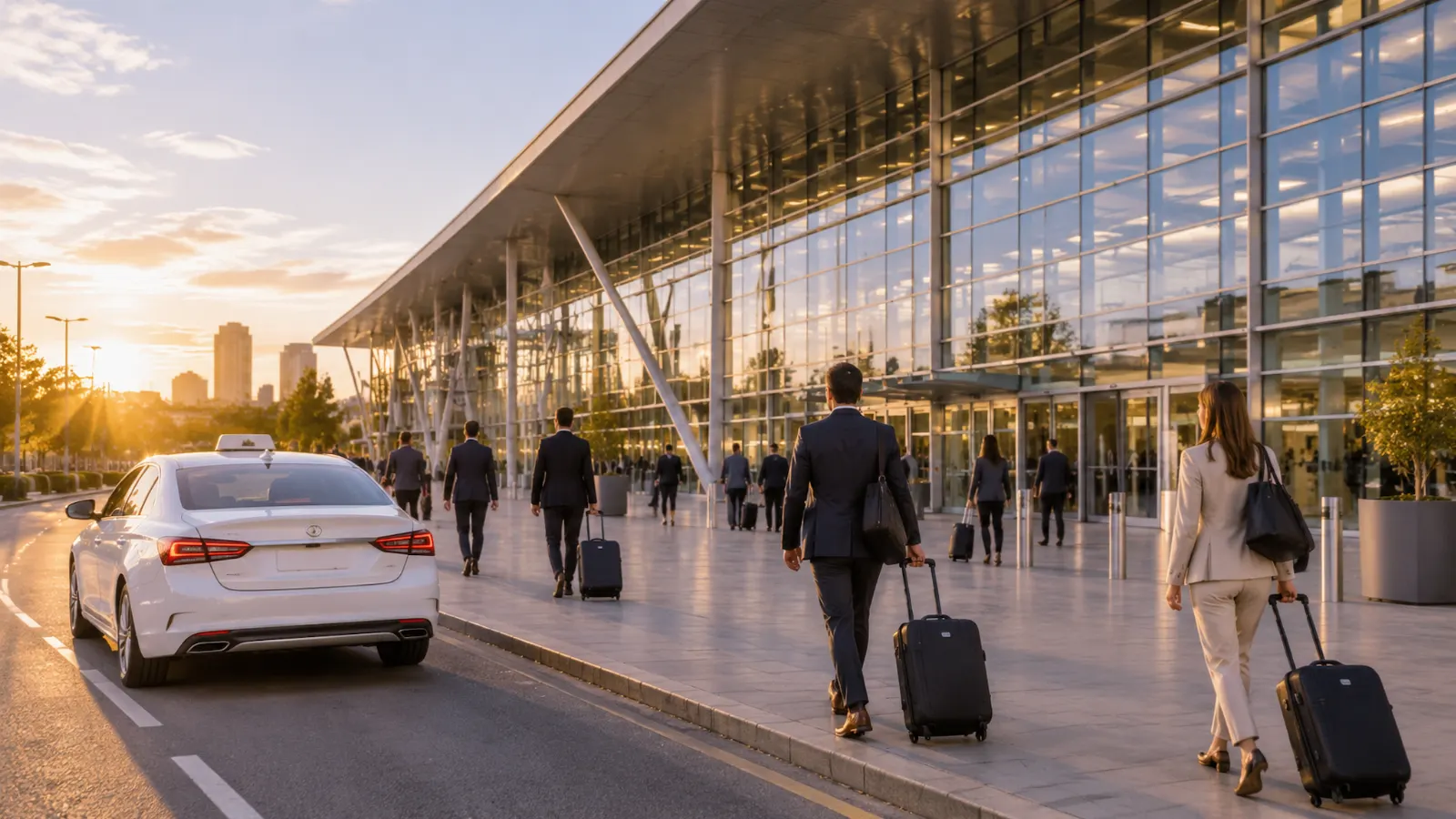
Diesel, chronicle of a death foretold: why people talk about the end of diesel cars
For years diesel was the favourite engine of taxi drivers and motorists. We explain why it has lost ground, what limits its use in Madrid today and what is replacing it.
Published on 27 March 2018 Updated on 1 November 2026 5 min read
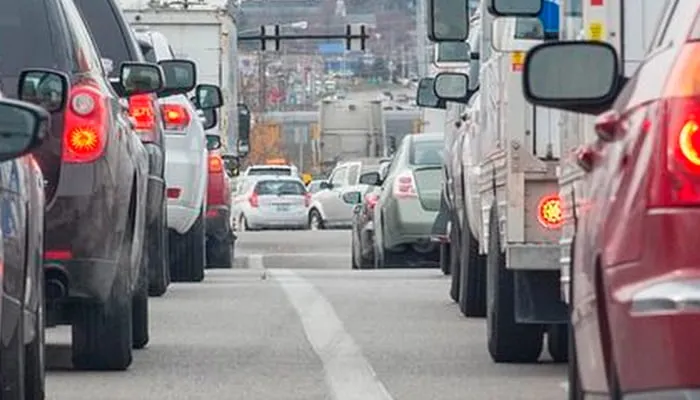
People talk about the end of diesel because its emissions of nitrogen oxides and particulates, which harm air quality in cities, have led to tougher European standards, the creation of low-emission zones and ever more demanding targets for new cars. On top of that came the loss of confidence after the emissions-rigging scandal. Diesel is not banned: cars with a C or B environmental label can still be driven subject to the restrictions each city sets, but diesel's share of sales has fallen and taxis, which were among its biggest users, have switched to hybrids and electric vehicles.
Why diesel was king for decades
For a long time diesel was the logical choice for anyone who drove a lot of miles: it used less fuel than an equivalent petrol car, diesel fuel was usually cheaper and the engines had a reputation for lasting for ever. That is why it was the usual choice of taxi drivers, hauliers and motorists who travelled by road every day. For years, diesel was also the most common engine in taxis.
What changed
The reasons for diesel's decline
Air quality
Diesel engines emit more nitrogen oxides and particulates than petrol engines, two pollutants of particular concern in cities.
Stricter Euro standards
Meeting European emission limits requires filters and exhaust treatment systems that make the engine and its maintenance more expensive.
Loss of confidence
The emissions-rigging scandal at some manufacturers damaged diesel's image among buyers.
Low-emission zones
Big cities restrict access according to the environmental label, and older diesels are the hardest hit.
More efficient alternatives
Hybrids use little fuel in town and electric cars are cheap to run, exactly where diesel used to be strong.
What owning a diesel in Madrid means today
What determines where and when a car can be driven in Madrid is its environmental label, not the fuel as such:
- A recent diesel that meets the most demanding Euro standards has a C label and faces few restrictions in most situations.
- A somewhat older diesel has a B label and may be affected in the most protected zones or during high-pollution episodes.
- The oldest diesels have no label and face the most restrictions in low-emission zones.
The specific conditions change over time and depend on each zone, so before driving into the centre in an older car, check the current Madrid City Council regulations. We explain what each label means in eco-taxis and the DGT labels.
Will diesel disappear?
The European Union has set a timetable for cutting emissions from new cars that, in practice, leaves little room for combustion engines in the long term, although its details have been revised along the way. That affects what is made and sold, not the cars already on the road. A diesel you buy today can still be used throughout its working life, subject to the restrictions cities impose. In lorries, machinery and long-distance transport, diesel will continue to play a role for quite some time.
Taxis have already made the switch
In Madrid's taxi fleet the change has been very visible. Municipal regulations have pushed the fleet towards ECO or Zero-label vehicles, and taxi drivers have found that hybrids offer low fuel use in town without depending on charging. You can find out more about them in the trend towards hybrid cars and in electric taxis.
An alternative to the car dilemma
If you have an older diesel and are unsure whether to replace it, think about how much you really use it. For getting into the centre or to the airport, it often works out better not to take the car: you save on parking, restrictions and worry. We talk about it in forget about parking problems with a taxi and compare the costs in car or taxi to the airport.
With us, the journey to Barajas has a fixed price by area: €33 from inside the M-30 and the rest on our fares page. You can book your airport taxi in three steps.
Leave the car at home
No parking, no label restrictions and a fixed price: book your taxi to any Barajas terminal, 24 hours a day.
Fixed fares
Airport taxi from your area
- Interior M-30 €33
- Torrejón de Ardoz €30
- Alcobendas €33
- San Sebastián de los Reyes Pueblo €33
- Alcalá de Henares €53
- Getafe €53
- Leganés €53
- Majadahonda €53
- Las Rozas de Madrid €58
- Móstoles €63
- Alcorcón €63
- Fuenlabrada €63
Need a taxi to the airport?
Instant fixed price. No sign-up.
- Journey
- When
- Your details
We can't find it on the list.
Call or message us and we'll give you a price straight away.
Terminal · Madrid-Barajas
Your fixed price
Passengers
Suitcases
Your fixed price
Booking received!
We'll confirm your booking by phone shortly. If it's for less than 2 hours from now, please call us directly.
Reference
Your fixed price